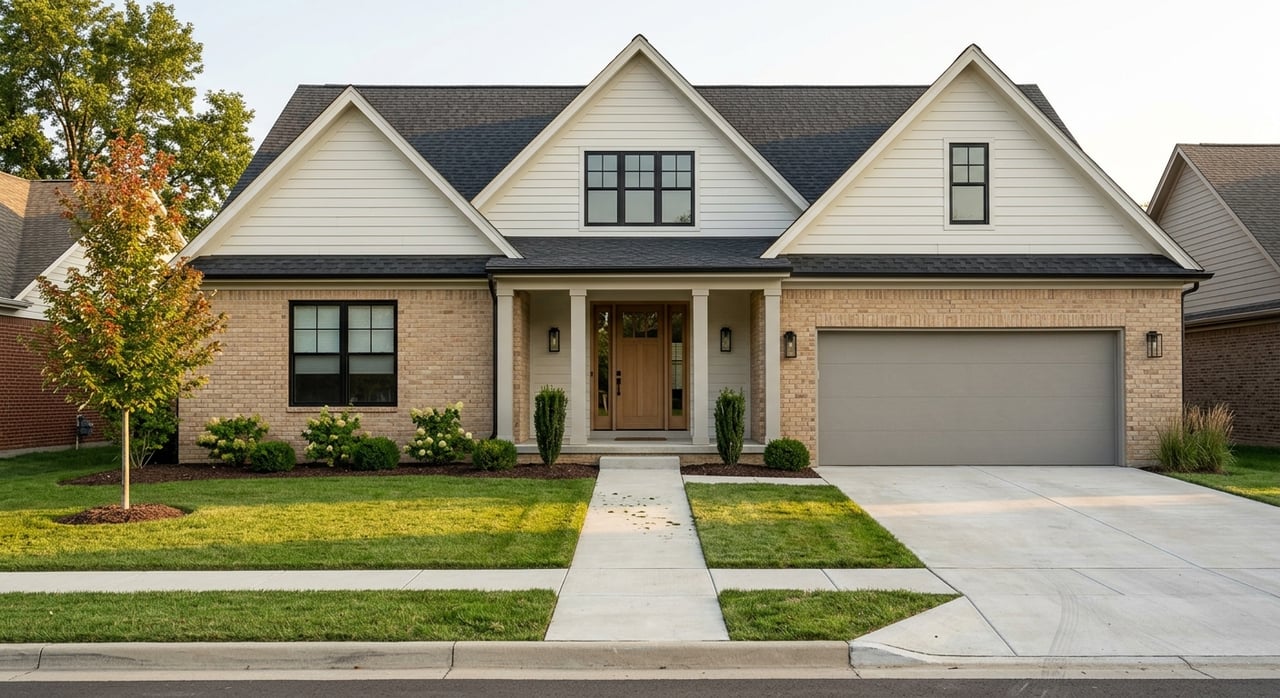
If you are looking at new construction neighborhoods in Georgetown, KY, you are probably trying to balance a lot at once. You want the right home, the right location, and a process that feels clear instead of overwhelming. The good news is that Georgetown offers several distinct new construction options, from smaller footprint homes to larger move-up plans and estate-style settings. This guide will help you compare what is out there, what “new construction” really means in practice, and what to pay attention to before you sign. Let’s dive in.
Georgetown New Construction at a Glance
Georgetown and Scott County are still growing. The U.S. Census Bureau estimated Scott County’s population at 61,700 as of July 1, 2024, and reported 546 building permits in 2024. In Georgetown’s October 2024 State of the City address, city leaders also pointed to housing needs and infrastructure priorities tied to that growth.
For you as a buyer, that growth matters because new construction in Georgetown is part of a broader development pattern, not just one isolated pocket. Current communities are often positioned near Toyota, I-75, Cherry Blossom Way, Old Oxford Road, and McClelland Circle. That can make commute routes, daily errands, and long-term area growth important parts of your search.
Types of New Construction in Georgetown
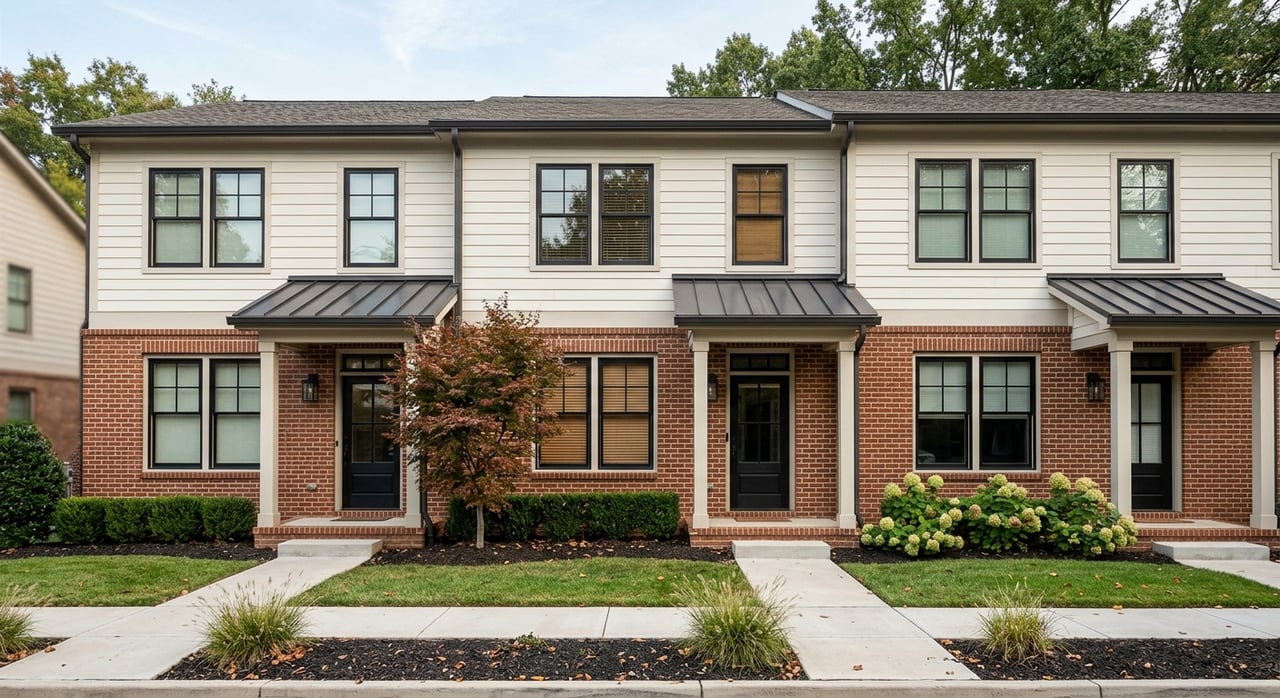
One of the biggest advantages in Georgetown is variety. While most current options are single-family homes, the neighborhoods serve different needs and budgets.
You will generally find three broad categories:
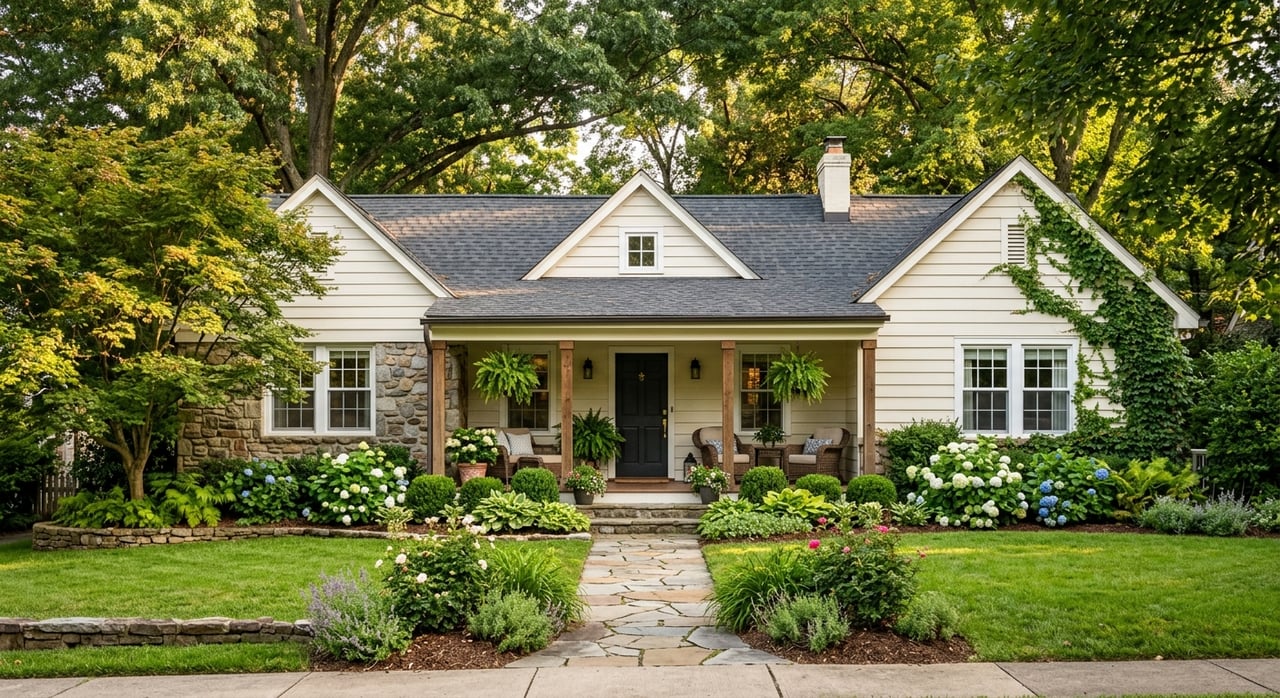
- Value-oriented production homes with practical layouts and more approachable square footage
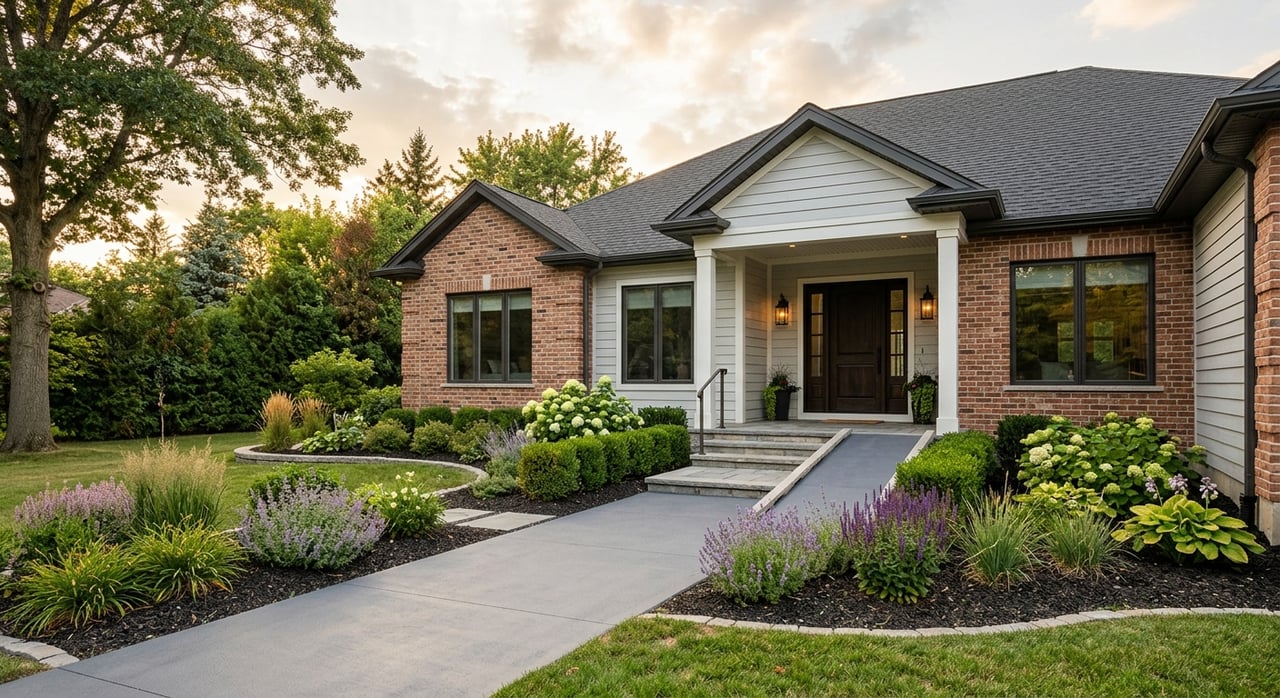
- Move-up communities with larger plans, more customization, and broader finish options
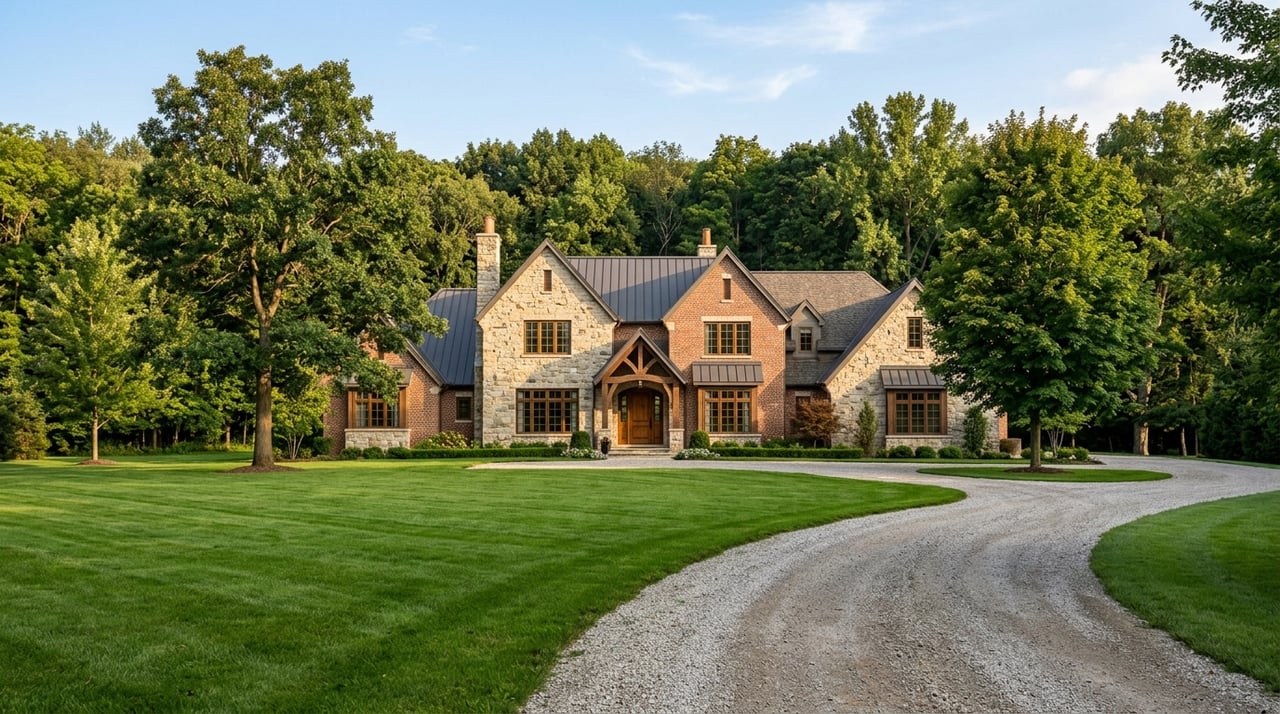
- Estate-style communities with larger homesites and more private setting features
That means your decision is not just about the house itself. It is also about how much space you want, how involved you want to be in selections, and how much construction timeline risk you are comfortable taking on.
Georgetown Neighborhoods Buyers Should Know
Oxford Landing
Oxford Landing is one of the more established names in Georgetown new construction right now. Ball Homes says the community currently has limited quick-move availability, with floor plans ranging from just over 2,000 to almost 4,000 square feet.
This neighborhood is positioned near Toyota and offers quick access to Cherry Blossom Way. It also highlights large open space buffering Lanes Run, which may matter if you value a little breathing room within a growing area. Two-car garages are standard throughout, and some plans offer three-car garages.
The Abbey at Old Oxford
The Abbey at Old Oxford is another Ball Homes community, and it leans toward larger, more customizable homes. Current plans range from 2,030 to 3,991 square feet, with three to five bedrooms and up to four and a half baths.
This is a good example of a neighborhood where plan flexibility may be a major draw. The community currently offers ranch and two-story styles, along with options such as guest suites and first-floor bedrooms. Customizable kitchens and baths are also part of the offering, which can be appealing if you want more say in the finished product.
Trend Collection at South Crossing
If you are looking for a more value-conscious option, Trend Collection at South Crossing is worth a close look. Ball Homes markets it around affordable living near Kroger Marketplace, with current plans starting at 1,699 square feet.
The focus here is on open-concept living, flexible spaces, and contemporary finishes selected for value and attainability. For buyers who want new construction without stretching into a larger move-up price point, this type of neighborhood can offer a more manageable entry into the market.
Oxford Reserve
Oxford Reserve is currently shown as a D.R. Horton Tradition Series community in Georgetown. The current listing notes 4 to 5 bedrooms, 2 to 3 baths, and a mix of move-in-ready and to-be-built homes.
That mix can be useful if you are trying to decide between speed and customization. A move-in-ready home may reduce waiting time, while a to-be-built option may give you more influence over the home selection process, depending on the build stage.
Barkley Meadows
Barkley Meadows, by James Monroe Homes, sits between Toyota and Scott County horse country. Current plans range from 1,424 to 2,263 square feet, with a current available home listed at 2,115 square feet.
This neighborhood may appeal to buyers who want a semi-custom feel in a moderate size range. If you are relocating or trying to right-size without giving up new construction, this is the kind of community that may strike a practical balance.
Fox Run
Fox Run, by Dalamar Homes, currently spans 1,500 to 2,770 square feet. Available plan types include 1- and 2-story homes with 3 to 4 bedrooms and 2 to 3.5 baths.
That range gives you a decent spread of options without moving into the largest product category. For some buyers, that sweet spot matters more than chasing maximum square footage.
Victoria Estates
Victoria Estates is the estate-style option in the current Georgetown mix. It describes itself as a gated, covenant-protected community with large homesites, private roads, lake or Elkhorn Creek views, trails, and a private fishing lake.
This type of neighborhood is less about entry-level new construction and more about homesite scale and setting. If privacy, views, and lot character are high on your list, this is a different product type from a typical production subdivision.
How Home Sizes Compare
Georgetown’s current new construction options span a wide range of sizes. Fox Run starts at 1,500 square feet, Barkley Meadows starts at 1,424 square feet, and larger communities like Oxford Landing and The Abbey at Old Oxford reach close to 4,000 square feet.
For context, the U.S. Census Bureau says the median new single-family home sold in 2024 was 2,210 square feet. So in Georgetown, you can find homes that sit below, near, and well above that benchmark, depending on the neighborhood and builder.
Quick-Move vs Build-to-Suit
This is one of the most important decisions in the new construction process. A quick-move home is typically already under construction or completed, while a build-to-suit home usually starts earlier in the process and allows more design choices.
Quick-move homes often work well if you need a shorter timeline or want fewer moving parts. Build-to-suit homes may be a better fit if your priority is personalization, but they usually require more patience and more decision-making.
A useful benchmark from the National Association of Home Builders says the average time to complete a single-family home was 10.1 months in 2023. In Georgetown, actual timing depends heavily on builder process, construction stage, permitting, selections, and weather.
What the Timeline Really Looks Like
New construction does not follow the same rhythm as a resale purchase. James Monroe Homes outlines a process that includes the purchase agreement, design center selections, pre-construction, pre-drywall, 60-day and 30-day letters, customer orientation, and new-home delivery before closing and warranty start.
D.R. Horton’s Kentucky homeowner manual also notes that completion dates in the purchase agreement are tentative. Weather, material deliveries, labor disputes, scheduling conflicts, and inspection holdups can all affect timing.
The practical takeaway is simple: do not treat an early estimated completion date as final. If your move depends on a strict deadline, a completed or near-complete inventory home may offer more certainty than a home still early in construction.
How Builder Contracts Differ From Resale
Builder contracts tend to be more process-driven than resale contracts. In a resale transaction, buyers often focus heavily on inspection findings, appraisal, insurance, and negotiated repair issues.
With new construction, the focus often shifts to homesite selection, plan choice, upgrade deadlines, allowances, and the builder’s warranty process. Ball Homes, for example, states that the homesite review happens within 14 days of contract and covers lot position, grading, driveway slope, utilities, easements, and views.
That is why details matter early. Once deadlines pass, certain options may no longer be available, and late changes can trigger added cost or delays.
What to Compare Beyond Price
Price is important, but it should not be the only filter. In Georgetown, two homes that seem similar online may offer very different experiences based on lot, rules, finish level, and commute pattern.
Here are the key comparison points to keep in mind:
- Lot and site conditions: Review the plot plan, lot orientation, drainage, easements, and building lines
- Commute and access: Consider proximity to I-75, Toyota, Cherry Blossom Way, Old Oxford Road, and your daily routine
- Upgrade flexibility: Ask which features are structural, what is standard, and when choices must be finalized
- Construction stage: Confirm whether the home is move-in-ready, under construction, or to-be-built
- HOA and covenants: Review community restrictions, oversight structure, and any use limitations
- Setting and density: Decide whether you prefer a more compact neighborhood layout or a larger homesite environment
These are often the decision points that matter most once you move past the first showing.
Why Lot Review Matters in Georgetown
Lot review deserves more attention than many buyers give it. The Georgetown-Scott County Planning Commission publishes subdivision regulations, fire department requirements, stormwater rules, and traffic-access guidelines, so subdivision design and lot access are part of the local picture.
That does not mean every lot has a problem. It means you should understand how your lot sits, where drainage goes, what easements exist, and how the driveway and grading may affect daily use. A home plan can look perfect on paper and still feel different once you understand the site.
A Smart Way to Narrow Your Options
If you are comparing several Georgetown new construction neighborhoods, start with your real priorities instead of the builder brochure. For most buyers, the clearest path is to rank what matters most in this order: timeline, location, lot, size, and finish flexibility.
From there, you can create a short list that is actually useful. A buyer who needs to move quickly may lean toward Oxford Reserve or limited quick-move opportunities at Oxford Landing, while a buyer who wants more design input may focus on communities like The Abbey at Old Oxford or Barkley Meadows.
Final Thoughts for Georgetown Buyers
Georgetown’s new construction market gives you real choice, which is a good thing. But more choice also means more variables, especially around homesites, covenants, deadlines, and delivery timing.
The best approach is to compare neighborhoods as complete packages, not just collections of floor plans. When you look at the home, the lot, the builder process, and the timeline together, you are much more likely to make a decision you feel good about long after closing.
If you want help comparing Georgetown new construction neighborhoods, reviewing builder timelines, or narrowing down the right fit for your move, connect with Trey McCallie for clear, local guidance.
FAQs
What new construction neighborhoods are currently available in Georgetown, KY?
- Current examples visible in Georgetown include Oxford Landing, The Abbey at Old Oxford, Trend Collection at South Crossing, Oxford Reserve, Barkley Meadows, Fox Run, and Victoria Estates.
What types of new homes can buyers find in Georgetown, KY?
- Buyers will mostly find single-family homes, including smaller production homes, larger move-up homes, semi-custom options, and estate-style communities with larger homesites.
What is the difference between quick-move and build-to-suit homes in Georgetown?
- Quick-move homes are usually already completed or under construction and may offer a faster timeline, while build-to-suit homes typically allow more choices but often take longer.
How long does new construction take in Georgetown, KY?
- Timing varies by builder and construction stage, but builder materials show that completion dates can shift due to weather, materials, labor, scheduling, and inspections.
What should buyers review before signing a builder contract in Georgetown?
- Buyers should review the lot layout, drainage, easements, building lines, upgrade deadlines, HOA or covenant rules, and whether the home is move-in-ready or still to be built.
Which Georgetown neighborhoods may fit buyers looking for larger homesites?
- Victoria Estates is the estate-style option in the current Georgetown mix and highlights large homesites, private roads, and lake or creek views.